










Agriculture has long been the backbone of Ghana’s economy, providing livelihoods for millions and contributing significantly to national GDP. But as climate patterns shift, consumer demand evolves, and global markets become more competitive, the traditional ways of farming are no longer enough to sustain long-term growth. This is where agritech startups step in—introducing digital tools, data-driven solutions, and innovative farm technologies that are transforming the future of farming in Ghana.
Today’s farmers, once limited by manual processes and unpredictable weather, now have access to mobile platforms, precision tools, and financing solutions that boost productivity and profitability. This editorial by Accra Business News explores how agritech startups are reshaping Ghana’s agricultural landscape, the key innovations emerging, and what this means for food security and national economic development.
1. Digital Platforms Giving Farmers Real-Time Market Information
One of the biggest challenges farmers face is lack of timely market data. Agritech startups are bridging this gap by providing platforms that offer:
-
Real-time price updates
-
Market demand insights
-
Buyer connections
-
Weather forecasts
-
Best farming practice tips
These platforms help farmers make informed decisions, reduce losses, and negotiate better prices.
Startups such as AgriTrade Connect, AgroCenta, Esoko, and Farmerline lead in this space, empowering farmers with information that once required expensive research or travel.
2. Mobile-Based Farm Financing and Digital Credit
Access to credit has historically been difficult for farmers due to lack of collateral and formal banking history. Agritech fintech hybrids now allow farmers to access:
-
Digital microloans
-
Flexible repayment structures
-
Farm inputs on credit
-
Insurance packages
These financing models rely on mobile money data, farm records, and digital footprints rather than traditional collateral. This ensures more smallholder farmers can expand production, invest in better inputs, and adopt new technologies.
3. Precision Agriculture Tools Increasing Farm Efficiency
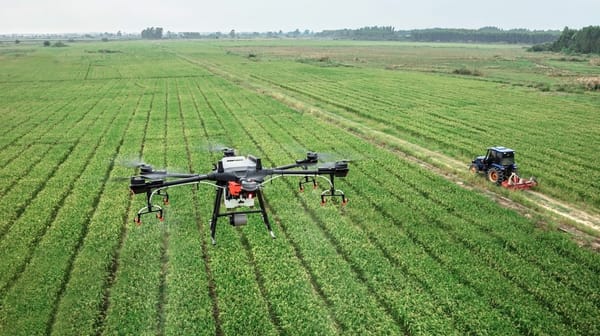
Precision farming technologies—once accessible only to advanced economies—are slowly taking root in Ghana. Startups are introducing tools such as:
-
Drone-based farm mapping
-
Satellite imaging
-
Soil testing kits
-
Crop health monitoring
-
Automated irrigation systems
These tools help farmers optimize input usage, identify plant diseases early, prevent soil degradation, and maximize yields.
4. Improving Access to Quality Farm Inputs
Poor-quality seeds, limited access to fertilizers, and inconsistent supply of chemicals have long plagued Ghanaian farmers. Agritech platforms now act as digital marketplaces where farmers can purchase:
-
Improved seeds
-
Certified fertilizers
-
Pesticides
-
Tools and machinery
This reduces the risk of counterfeit inputs and ensures access to reliable, affordable products.
5. Smart Logistics and Aggregation Solutions
Inefficient transportation and fragmented supply chains cause major post-harvest losses. Agritech startups have introduced aggregation and logistics platforms that:
-
Connect farmers to buyers
-
Arrange transport for produce
-
Reduce spoilage
-
Improve storage solutions
Platforms like Complete Farmer and AgroMall streamline the movement of agricultural products from farm to market, supporting both export and local consumption.
6. Digital Extension Services
While extension officers remain important, their limited numbers make it difficult to reach every farmer. Agritech apps now provide:
-
Online tutorials
-
Video-based farming guidance
-
Pest and disease identification tools
-
Voice-based advisory services in local languages
These digital solutions bring knowledge directly to farmers’ phones, improving productivity and farming outcomes.
7. Enhancing Food Traceability and Export Standards
As global standards tighten, Ghanaian exports must meet stricter compliance and traceability requirements. Agritech startups are helping farmers monitor and document:
-
Production methods
-
Harvest timelines
-
Input usage
-
Supply chain journeys
Digital traceability builds trust with international buyers, helping Ghana compete effectively in export markets such as cocoa, cashew, mango, and horticulture.
8. Strengthening Climate Resilience
With unpredictable rainfall patterns and rising temperatures, climate-smart solutions have become essential. Agritech startups provide:
-
Drought-resistant seed varieties
-
Smart irrigation
-
Climate forecasting tools
-
Sustainable farming practices
These innovations help farmers adapt, protect yields, and ensure long-term food security.
Challenges Facing Agritech Growth in Ghana
Even with progress, several issues persist:
-
High cost of advanced technologies
-
Low digital literacy levels among rural farmers
-
Weak internet connectivity
-
Limited trust in digital systems
-
Inconsistent policy support
Overcoming these challenges will be critical to unlocking the full potential of agritech.
The Future of Agritech in Ghana
The next wave of agritech growth will focus on:
-
AI-driven crop monitoring
-
Autonomous farm machinery
-
Full-scale digital marketplaces
-
Blockchain-based supply chains
-
Smart greenhouses
-
Internet-of-Things (IoT) farming tools
Ghana’s agritech ecosystem is growing, and its impact will continue to reshape how food is grown, transported, and consumed.
FAQs
1. What are agritech startups?
They are technology-driven companies that develop digital tools and innovative solutions to improve farming and agribusiness operations.
2. How do agritech startups help farmers?
They provide market information, smart tools, financing, logistics support, digital advisory services, and reliable access to farm inputs.
3. Which agritech companies are active in Ghana?
Farmerline, AgroCenta, Esoko, Complete Farmer, and AgroMall are some major players.
4. What technologies are transforming farming in Ghana?
Drones, mobile platforms, satellite data, digital credit systems, and precision agriculture tools.
5. How will agritech shape the future of Ghana’s agriculture?
By improving productivity, reducing losses, enhancing export competitiveness, and strengthening climate resilience
Source: Accra Business News
Disclaimer: Some content on Accra Business News may be aggregated, summarized, or edited from third-party sources for informational purposes. Images and media are used under fair use or royalty-free licenses. Accra Business News, an extension of Accra Street Journal is a subsidiary of SamBoad Publishing Ltd under SamBoad Holdings Ltd, registered in Ghana since 2014.
For concerns or inquiries, please visit our Privacy Policy or Contact Page.
📢 GET FREE JOBS + TIPS
Others are getting instant job updates and career tips on our WhatsApp Channel. Why miss out?
📲 Join SamBoad Jobs Channel Now


