









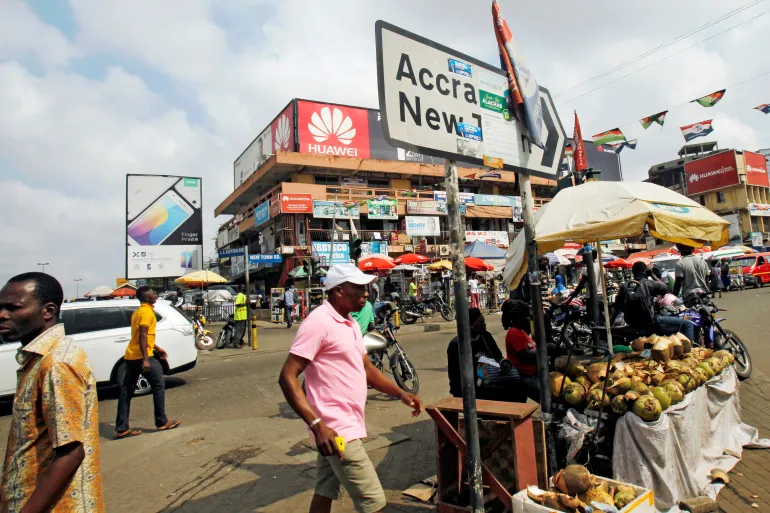
Introduction: Monetary Policy as an Economic Anchor
Monetary policy plays a central role in shaping Ghana’s economic direction. Through decisions on interest rates, liquidity management, and credit conditions, the country’s monetary authorities influence inflation, investment, exchange rates, and overall economic stability.
In an environment marked by inflationary pressures, currency volatility, and the need for sustainable growth, monetary policy has become one of the most powerful tools guiding Ghana’s economy. Its effects extend beyond financial markets, influencing household welfare, business expansion, and government fiscal choices.
This Accra Business News editorial examines how monetary policy is shaping Ghana’s economy, the key tools involved, and the broader implications for growth and stability.
Understanding Monetary Policy in Ghana
Monetary policy refers to the actions taken by the central bank to control money supply and credit conditions in the economy. In Ghana, this responsibility lies with the central monetary authority, whose mandate includes:
-
Maintaining price stability
-
Supporting sustainable economic growth
-
Promoting financial system stability
Monetary policy decisions are typically aimed at balancing inflation control with the need to support economic activity.
Key Monetary Policy Tools
Policy Interest Rate
The policy rate is the most visible instrument of monetary policy. Changes in the policy rate influence:
-
Commercial bank lending rates
-
Borrowing costs for businesses and households
-
Savings and investment behavior
Higher policy rates are generally used to contain inflation by reducing spending and credit growth. Lower rates aim to stimulate borrowing, investment, and consumption.
Liquidity Management
Liquidity management involves regulating the amount of money circulating within the banking system. Through open market operations and reserve requirements, monetary authorities influence:
-
Bank lending capacity
-
Short-term interest rates
-
Financial market stability
Effective liquidity management helps prevent excessive inflation while ensuring that credit flows to productive sectors.
Exchange Rate Influence
While not directly fixing the exchange rate, monetary policy affects currency stability through interest rate differentials and investor confidence. Stable monetary policy supports:
-
Foreign investment inflows
-
Predictable trade conditions
-
Reduced import cost pressures
Exchange rate stability is particularly important in Ghana due to its reliance on imported goods and inputs.
Monetary Policy and Inflation Control
Inflation control is the primary objective of monetary policy. High inflation erodes purchasing power, distorts investment decisions, and undermines economic confidence.
In Ghana, monetary tightening has often been used to:
-
Curb excess demand
-
Stabilize prices
-
Anchor inflation expectations
While tighter monetary conditions can slow economic activity in the short term, they are often necessary to restore macroeconomic balance and protect long-term growth prospects.
Impact on Businesses and Investment
Monetary policy directly affects business operations through interest rates and access to credit. When rates are high:
-
Borrowing becomes more expensive
-
Expansion plans may be delayed
-
Small and medium-sized enterprises face tighter credit conditions
Conversely, accommodative monetary policy encourages investment, particularly in sectors sensitive to financing costs such as manufacturing, construction, and services.
However, the effectiveness of monetary policy depends on:
-
Transmission through the banking system
-
Confidence in macroeconomic management
-
Complementary fiscal policies
Effects on Households and Consumption
Households experience monetary policy outcomes through changes in:
-
Loan interest rates
-
Mortgage and rent affordability
-
Returns on savings
Tight monetary policy can reduce disposable income for households with loans, while benefiting savers through higher interest returns. These dynamics shape consumption patterns and household welfare.
Monetary Policy and the Financial Sector
The financial sector plays a critical role in transmitting monetary policy decisions to the real economy. Strong banks and financial institutions ensure that:
-
Policy rate changes influence lending behavior
-
Credit is allocated efficiently
-
Financial stability is preserved
Monetary policy also interacts with financial regulation to reduce systemic risks and maintain confidence in the banking system.
Balancing Growth and Stability
One of the central challenges of monetary policy in Ghana is balancing inflation control with economic growth. Excessive tightening can:
-
Suppress private investment
-
Slow job creation
-
Increase borrowing costs
On the other hand, overly loose policy can:
-
Weaken the currency
-
Undermine financial stability
Effective monetary policy seeks a balance that supports long-term growth without compromising stability.
Interaction with Fiscal Policy
Monetary policy does not operate in isolation. Its effectiveness is closely linked to fiscal policy, including government spending and borrowing.
When fiscal policy is disciplined:
-
Monetary policy is more effective
-
Inflation pressures are easier to manage
-
Investor confidence improves
When fiscal imbalances persist, monetary policy may be forced to tighten more aggressively, amplifying economic pressure.
Monetary Policy and Exchange Rate Dynamics
Exchange rate movements significantly influence Ghana’s inflation and growth outlook. Monetary policy contributes to currency stability by:
-
Supporting investor confidence
-
Influencing capital flows
-
Reducing speculative pressure
A stable exchange rate helps control import costs, support businesses, and protect household purchasing power.
Impact on Employment and Incomes
Monetary policy affects employment indirectly through its influence on business investment and consumer demand. Stable prices and predictable interest rates:
-
Encourage business expansion
-
Support job creation
-
Enable sustainable income growth
While short-term tightening may slow hiring, long-term stability provides a stronger foundation for employment growth.
Challenges Facing Monetary Policy
Despite its importance, monetary policy in Ghana faces several challenges:
-
Structural supply-side constraints
-
High sensitivity to external shocks
-
Informal sector dominance
Addressing these challenges requires coordination with structural reforms and development policies.
The Role of Credibility and Communication
Monetary policy effectiveness depends heavily on credibility and clear communication. When economic agents trust policy decisions:
-
Inflation expectations are better anchored
-
Market volatility is reduced
-
Policy transmission improves
Transparent communication enhances the impact of monetary policy across the economy.
Long-Term Implications for Ghana’s Economy
Over the long term, consistent and credible monetary policy supports:
-
Macroeconomic stability
-
Sustainable GDP growth
-
Financial sector resilience
-
Improved investor confidence
These outcomes are essential for Ghana’s development objectives and economic transformation.
Conclusion: Monetary Policy as a Foundation for Stability
Monetary policy continues to shape Ghana’s economy in profound ways. Through interest rates, liquidity management, and inflation control, it influences business decisions, household welfare, and overall economic confidence.
While monetary policy alone cannot solve all economic challenges, it remains a cornerstone of stability and a critical enabler of sustainable growth. For Ghana, maintaining a balanced and credible monetary policy framework is essential to navigating economic uncertainty and building long-term prosperity.
FAQs
What is monetary policy?
Monetary policy involves managing money supply and interest rates to control inflation and support economic stability.
How does monetary policy affect inflation in Ghana?
By adjusting interest rates and liquidity, monetary policy influences spending and price pressures.
Does high interest rate policy slow economic growth?
In the short term, yes, but it helps restore stability, which supports sustainable growth in the long run.
How does monetary policy affect households?
It influences loan costs, savings returns, and overall purchasing power.
Why is monetary policy important for Ghana’s economy?
It provides price stability, supports investor confidence, and creates conditions for long-term economic growth.
Source: Accra Business News
Disclaimer: Some content on Accra Business News may be aggregated, summarized, or edited from third-party sources for informational purposes. Images and media are used under fair use or royalty-free licenses. Accra Business News, an extension of Accra Street Journal is a subsidiary of SamBoad Publishing Ltd under SamBoad Holdings Ltd, registered in Ghana since 2014.
For concerns or inquiries, please visit our Privacy Policy or Contact Page.
📢 GET FREE JOBS + TIPS
Others are getting instant job updates and career tips on our WhatsApp Channel. Why miss out?
📲 Join SamBoad Jobs Channel Now