
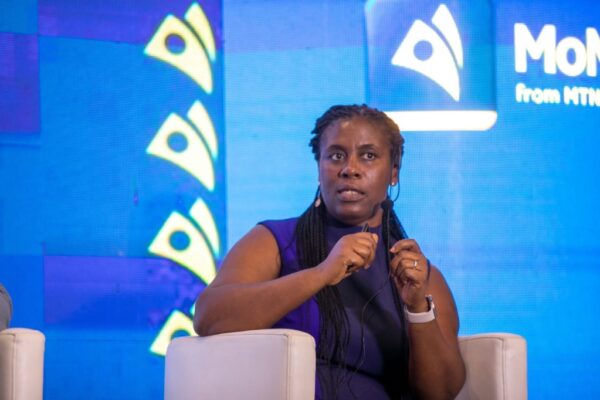
MTN Ghana Bets on Blockchain to Rebuild Trust in Digital Finance
In what could mark a defining technological leap for Ghana’s financial ecosystem, MTN Ghana has unveiled plans to deploy blockchain…




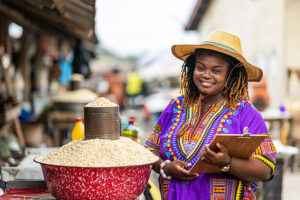
Discover inspiring Ghanaian lifestyle and entrepreneurship stories. See how innovation and ambition are redefining success across Ghana.
In what could mark a defining technological leap for Ghana’s financial ecosystem, MTN Ghana has unveiled plans to deploy blockchain…
Ghana’s rapidly expanding financial technology (fintech) industry stands at a defining crossroads — one where the promise of digital inclusion…

Explore 10 motivational movies that offer valuable leadership lessons. From perseverance to collaboration, these films highlight what it means to…
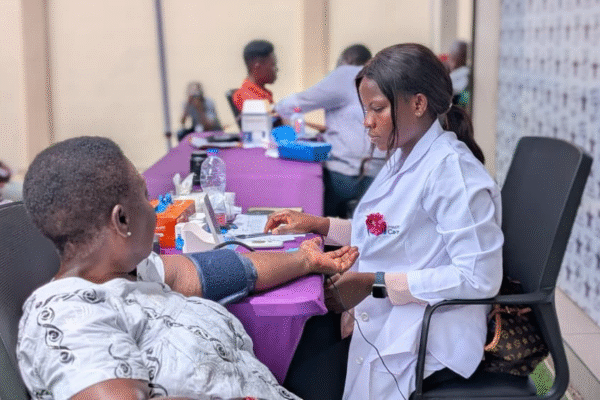
A Milestone Celebration with Purpose As part of its 20th-anniversary celebrations and activities marking this year’s Customer Service Week, StarLife…

Menlo Park, California – Meta Platforms Inc. (NASDAQ: META) said it expects “notably larger” capital expenditures next year as it…
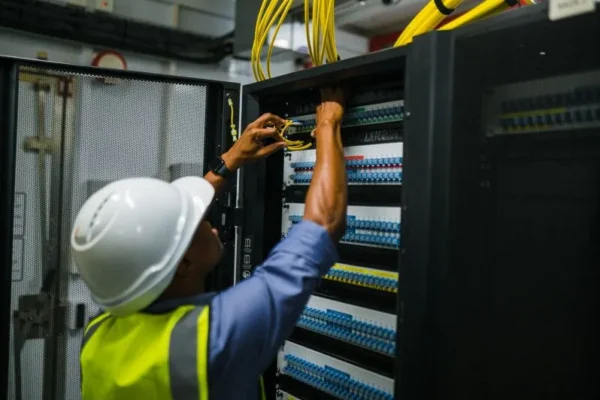
Smart Africa, a coalition representing 40 African countries and over a billion people, has launched the Africa Artificial Intelligence (AI)…

The government has made a significant savings of GH₵ 19 Million after scaling down the 68th Independence Day Celebration, marking another milestone of fiscal prudence under the new administration.
Independence Day Celebration is a mega event on Ghana‘s National Calendar as it marks the day Ghana gained its freedom from colonialism. Over the years, the celebrations have taken various forms, straining the public purse.
Prior to the 68th Anniversary, the status quo was a national celebration in addition to a district and regional level celebrations. The previous administration, in an attempt to bring the national celebration, which used to be held at the Independence Square, closer to the people, decided to rotate the celebration among the various regional capitals.

However, the first Independence Day anniversary under the new government took a different turn. In a drastic decision, President Mahama caused the commemoration to be held at the forecourt of the Presidency instead of the Independence Square or any of the regional capitals.
The President says the decision became necessary considering the current economic difficulties the country has been grappling with in recent years. He says the celebrations over the years have been a major drain on the country’s coffers due to the substantial logistical and infrastructure costs they come along with.
For instance, in 2023, the celebration in Koforidua cost the state GH₵ 15 million, while the 2022 event in Ho also required GH₵13.7 million.
This year’s event, President Mahama in his speech revealed, was estimated to cost the country GH₵ 20 Million. However, by holding a modest ceremony at the forecourt of the President, the state has saved only 95% of the budget representing a savings of GH₵ 19 million.

This means that the entire celebration will only cost the country just GH₵ 1 million.
The President says after workers have already accepted salary adjustments below the rate of inflation, it will be untenable to justify a lavish celebration at such a critical time.
“Unfortunately, this year we are constrained not only to interrupt the celebration’s rotation amongst the regions, but also to hold it on a scaled-down version here at the forecourt of the Presidency instead of the traditional Black Star Square. This is necessary considering the economic crisis our nation is currently experiencing,” he indicated.
He added, “This year, we received estimates of at least 20 million Ghana cedis for holding the event at the Independence Square on the same scale as the previous years. In a year when we are calling on all to sacrifice, including workers who have graciously accepted a base pay adjustment far below the rate of inflation, it is unconscionable to spend that kind of money on a few hours of celebration. Today’s event would save us 95% of the estimated cost of the event.”

This is another step taken by the John Mahama-led government towards protecting the public purse. Already, unnecessary travels by government officials have been banned. All necessary travels must be sanctioned by the Chief of Staff, while first class tickets have been banned outrightly.
Many analysts and economists have welcomed the cost-cutting move indicating that as the country continues to navigate its economic challenges, these decisions serve as a testament to the importance of making tough but necessary financial choices for the greater good of the economy.
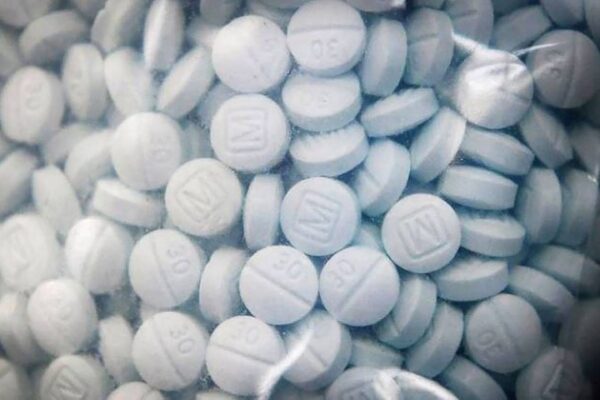
The streets of Ghana are being haunted by a silent predator, one that comes in small, deceptively labeled packets. It’s not just another imported product; it’s an illegal opioid cocktail fueling addiction and despair. And at the heart of this crisis? A pharmaceutical company thousands of miles away in India, making millions from Ghana and West Africa‘s misery.
A BBC Eye investigation has revealed that Aveo Pharmaceuticals, based in Mumbai, is behind the illegal production and export of a highly addictive opioid mix. Branded under different names, these pills, widely known in Ghana as ‘Tramol’, are a potent combination of tapentadol and carisoprodol, smuggled into the country and peddled on the streets.
The Devastating Impact on Ghanaian Youth
In cities like Tamale, Kumasi, and Accra, young men, hoping to work long hours or simply escape reality, are turning to these dangerous drugs. Instead of boosting their energy, however, many are left slumped over in a daze, disconnected from the world around them.

The drugs consume the sanity of those who abuse them, like a fire burns when kerosene is poured on it.
During a recent operation, volunteers confiscated packets labeled ‘Tafrodol’, bearing the branding of Aveo Pharmaceuticals. Similar products have been seized in other Ghanaian towns, confirming the widespread nature of the crisis.
Undercover Operation Unmasks Indian Supplier
To trace the source of these drugs, BBC sent an undercover operative into Aveo’s factory in India, posing as a businessman from Nigeria looking to distribute opioids. Using a hidden camera, the journalist recorded one of Aveo’s directors, Vinod Sharma, proudly displaying the very pills that were found on Ghana’s streets.
According to the BBC documentary, Sharma did not hesitate to explain the appeal of his product. “If users take two or three pills at once, they can ‘relax’ and get ‘high’,” he admitted on camera. When asked about the harmful effects, he shrugged, saying, “This is very harmful for health, but nowadays, this is business.”

Public records show that Aveo Pharmaceuticals, along with its sister company Westfin International, has been shipping millions of these tablets to Ghana and other West African nations, worsening the region’s opioid crisis.
A Wider Regional Crisis
Beyond Ghana, these drugs are wreaking havoc in Nigeria and Côte d’Ivoire, where teenagers mix the pills with alcoholic energy drinks for a stronger high. According to the BBC documentary, Nigerian authorities estimate that about four million citizens abuse opioids, posing a severe threat to the country’s future.
In response, Ghanaian authorities have begun cracking down on opioid imports, but experts warn that without stricter enforcement and regional cooperation, illicit suppliers will continue exploiting loopholes to flood West Africa with these dangerous pills.
Calls for Urgent Action
Health professionals have raised alarms over the deadly combination of tapentadol and carisoprodol. Dr. Lekhansh Shukla, an assistant professor at India’s National Institute of Mental Health and Neurosciences, explained in the BBC documentary that the mix induces dangerously deep sleep, often leading to breathing difficulties, seizures, and fatal overdoses.
“This is not something that is licensed for use anywhere in the world,” Dr. Shukla stressed. “It’s a very dangerous combination.”
Despite growing evidence against Aveo Pharmaceuticals, both the company and its director, Vinod Sharma, have remained silent in response to the allegations. Meanwhile, the Indian drugs regulator, CDSCO, has promised to crack down on companies violating export regulations.
For now, however, Ghanaian youth remain vulnerable to these lethal opioids, as traffickers and manufacturers continue profiting from addiction and despair.
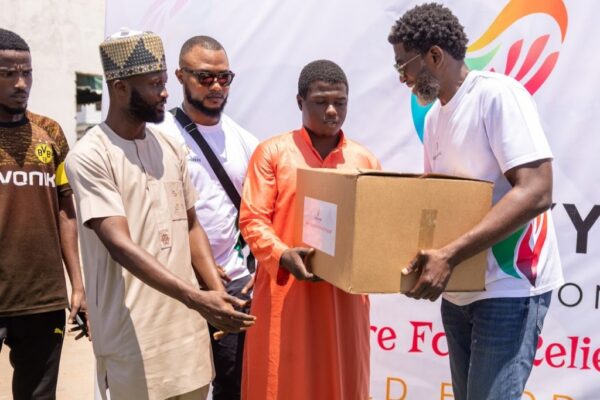
In a heartfelt act of compassion and community service, the Kevin Okyere Foundation (KOF) has donated food and essential household…
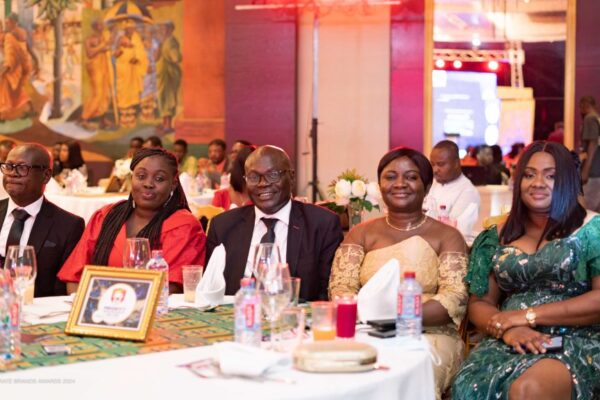
Priority Insurance Company Ltd has received the prestigious Motor Insurance Brand of the Year award at the Ghana Corporate Brands…


